
Small Business Growth Series #4
Reading time: 7 mins
With higher property taxes on the horizon and new tenancy rules already in force, protecting rental income requires more than collecting rent.
Being a landlord is often described as a way to earn passive income. But anyone who has managed a rental property knows the reality can be very different.
There are mortgages to pay, repairs to arrange, regulations to follow and unexpected bills to manage. Sometimes, even a property with reliable tenants can leave surprisingly little money in your pocket.
For many landlords, the question is no longer simply how much rent their property can generate. It is how much they can realistically keep after expenses, tax and the occasional unexpected setback.
The October 2026 Autumn Budget has added another challenge, with higher property income tax rates planned from April 2027. Meanwhile, England’s Renters’ Rights Act has changed how landlords manage tenancies and increase rents.
So, what can landlords do to protect their rental profit without cutting corners or treating good tenants unfairly? Here are eight practical areas worth considering.

1. Understand What the Autumn Budget Really Means for Your Rental Income
The Autumn Budget 2026 confirmed that property income tax rates will increase from 6 April 2027 for individual landlords in England, Wales and Northern Ireland.
| Income tax band | 2026/27 | From April 2027 |
|---|---|---|
| Basic rate | 20% | 24% |
| Higher rate | 40% | 44% |
| Additional rate | 45% | 49% |
These figures reflect the combined effect of increases announced in the 2025 and 2026 Budgets. The new rates apply to taxable property income, not gross rent received. Scottish taxpayers are subject to different rules.
Consider a landlord with £15,000 of taxable rental profit, all falling within the basic-rate band.
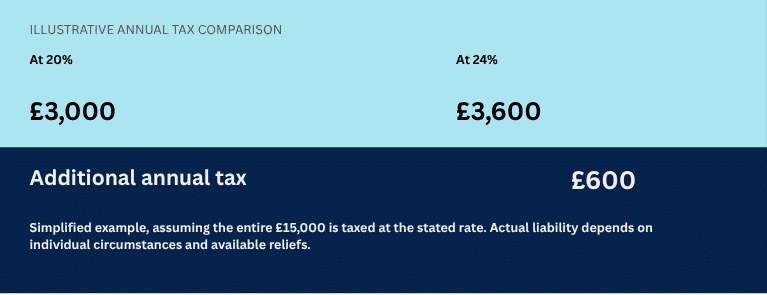
An extra £600 might not sound enormous, but it is another cost to absorb alongside maintenance, insurance and mortgage payments.
Our advice: Don’t wait until your next tax return to discover how much the changes could affect you. Forecast your rental income, expenses and tax position now.
A property that looks profitable before tax can tell a very different story afterwards.
2. Stop Confusing Rental Income With Money You Can Spend
Imagine your property generates £1,200 in monthly rent. That’s £14,400 a year, which sounds like a healthy income. But the rent isn’t entirely yours to spend.
Mortgage payments, insurance, repairs, letting fees, safety checks and tax all need to be considered. Some costs arrive monthly, while others appear unexpectedly.
One particularly important distinction is between cash flow and taxable profit.
For individual landlords with residential property, mortgage interest generally receives basic-rate tax relief rather than being deducted in full from rental income. Mortgage capital repayments are not deductible rental expenses.
This means your tax calculation can look very different from the amount of cash remaining in your bank account.
A useful habit: Maintain two separate figures for every property:
- Rental cash flow: Money received minus money actually paid out.
- Taxable rental profit: Rental income minus expenses allowed under tax rules, before applicable tax reliefs.
Review both figures regularly. This simple distinction can prevent a nasty surprise when your Self Assessment bill arrives.
3. Treat Good Tenants as an Asset Worth Protecting
One of the most overlooked ways to protect rental profit is to keep good tenants. A reliable tenant who pays on time, looks after the property and communicates problems early can be worth far more than a small rent increase.
Consider a landlord charging £950 per month. Raising the rent by £50 generates an additional £600 over a full year, assuming the property remains occupied.
But if the tenant leaves and the property sits empty for one month, the landlord immediately loses £950 in rent. Cleaning, advertising and reletting costs could add to the loss.
That doesn’t mean landlords should never increase rents. It means the decision should consider the whole financial picture.
Under England’s Renters’ Rights Act, landlords generally cannot increase rent more than once a year. They must follow the prescribed process and provide at least two months’ notice. Tenants can challenge increases above market rent.
A better approach: Review local market rents, property condition and tenant history before deciding on an increase. Sometimes, keeping a good tenant at a slightly lower rent is the more profitable choice.
4. Spend Money on Maintenance Before It Becomes an Emergency
It’s tempting to postpone repairs when money is tight. A small leak, ageing sealant or poorly maintained gutter might not seem urgent. But minor problems can become expensive if ignored.
A leaking pipe can damage flooring and plasterwork. Blocked gutters can contribute to damp problems. An ageing heating system may fail during the coldest part of winter. Preventative maintenance is not simply another expense. It can be a way of protecting the value of your investment.
Consider arranging a regular property health check that covers:
- Plumbing, leaks and visible signs of damp.
- Roofs, gutters and drainage.
- Heating performance and servicing requirements.
- Windows, seals and ventilation.
- General wear and tear.
Where practical, combine maintenance tasks into one contractor visit.
You could also create a maintenance history for each property, recording repairs, costs and recurring problems. Over time, this can help you spot expensive patterns and decide when replacing something is more sensible than repeatedly repairing it.
Remember that tax treatment differs between ordinary repairs and capital improvements. Keeping accurate records is essential.
5. Prepare for New Landlord Regulations Before They Become Expensive Problems
The Renters’ Rights Act introduced major changes in England on 1 May 2026.
Section 21 ‘no-fault’ evictions have been abolished, and most private tenancies now operate on a rolling basis. Landlords must use the appropriate legal grounds and procedures when seeking possession.
The rules also affect rent increases, advertising, advance rent payments and requests to keep pets. For landlords, this makes good record-keeping and clear communication more important than ever. Keep organised records of tenancy agreements, rent payments, maintenance requests, inspections and communications with tenants.
You should also review your procedures with your letting agent to ensure they reflect the new rules. The aim isn’t simply to avoid penalties. Good systems can help prevent disputes, protect relationships and reduce the time spent resolving problems.
6. Plan for Energy Efficiency Improvements, Not Just the Next Repair
Energy efficiency is becoming an increasingly important financial consideration for landlords. The Government has confirmed plans to require privately rented homes in England and Wales to meet higher energy efficiency standards by 1 October 2030, subject to exemptions and the necessary legislation.
The policy includes a proposed maximum required investment of £10,000 per property over ten years. The Government’s impact assessment estimates average improvement costs of £5,400 per property, taking the cap into account. These are not costs every landlord will necessarily face. The amount will depend on the property’s existing condition and the improvements required. Rather than waiting until the deadline approaches, consider reviewing your property’s EPC and obtaining professional advice.
You may be able to combine energy efficiency work with planned renovations, avoiding the disruption of arranging separate projects. Think beyond compliance: Better insulation, ventilation and heating efficiency may also improve tenant comfort and reduce future maintenance problems. Before committing to major work, check the latest requirements and whether your property qualifies for any exemptions or support.
7. Make Sure You’re Not Paying More Tax Than Necessary
With property income tax rates set to rise, understanding allowable expenses is increasingly important.
HMRC permits landlords to deduct qualifying day-to-day expenses when calculating taxable rental profit. These can include letting agent fees, insurance, certain legal and accountancy fees, maintenance and repairs, and some services paid for by the landlord. However, improvements that count as capital expenditure are generally treated differently.
There is also a £1,000 annual property income allowance. Depending on your circumstances, claiming actual allowable expenses may be more beneficial than using the allowance. You cannot generally claim both against the same income.
Our advice: Keep digital copies of invoices and receipts, and record the purpose of each expense.
Don’t assume every payment relating to a rental property is automatically tax-deductible. An accountant can help you distinguish between allowable repairs, capital improvements and other expenditure.
It is also worth reviewing whether your current ownership structure remains suitable. However, transferring properties into a limited company can trigger tax and financing costs. Such decisions need individual advice rather than a one-size-fits-all solution.
8. Build a Financial Safety Net for Your Property
One of the biggest risks to rental profit is having no money available when something goes wrong.
A boiler failure, unexpected repair or period without a tenant can quickly turn a profitable year into a stressful one. Instead of treating every month’s remaining rent as disposable income, consider building a dedicated property reserve.
For example, you might regularly set aside part of the rent to cover repairs, void periods and unexpected costs. The right amount depends on the property’s age, condition, mortgage commitments and your wider finances. You could also prepare three annual cash-flow forecasts:
Best case: The property remains occupied, with only routine maintenance.
Expected case: Normal repairs, insurance, management costs and tax.
Worst case: A significant repair, a prolonged void period or an increase in mortgage costs.
This helps you understand how resilient your investment really is.
For some landlords, the most valuable financial decision may not be purchasing another property. It may be strengthening the financial position of the one they already own.
An Important Change: Making Tax Digital
Landlords should also prepare for Making Tax Digital for Income Tax.
Under the rollout, individuals with qualifying income above £50,000 came within the rules from 6 April 2026. The threshold falls to above £30,000 from April 2027 and above £20,000 from April 2028.
Qualifying income broadly combines gross property and self-employment income before expenses, rather than taxable profit. Those within the rules must maintain digital records and submit quarterly updates using compatible software.
For landlords still relying on spreadsheets, paper receipts or an annual review of their accounts, now is a good time to prepare. Digital records can also provide something more useful than tax compliance: a clearer, more up-to-date picture of rental performance.
The Bottom Line: Protecting Profit Is About More Than Increasing Rent
Being a landlord has never been entirely risk-free. For many, rental property represents years of savings, hard work and careful financial planning.
With tax changes, higher operating costs and evolving regulations, it is understandable that some landlords feel uncertain about the future. But protecting rental profit does not always require dramatic changes. Keeping good tenants, maintaining properties proactively, understanding tax liabilities and preparing for unexpected expenses can all make a meaningful difference.
Most importantly, landlords need to look beyond the rent arriving in their bank account. The real measure of a successful rental investment is not simply how much income it generates, but how much it leaves you with after costs, tax and risk.
At Jermyn & Co Chartered Accountants, we understand that property investment is about more than numbers on a tax return. It is about protecting your financial future and making informed decisions with confidence.
Whether you own one rental property or manage a growing portfolio, we can help you understand your tax position, plan ahead and make better use of your financial information.
Get in touch with Jermyn & Co to discuss how we can help protect your rental profit.
Information correct as at 4 November 2026. This article focuses mainly on individual residential landlords in England. Tax treatment depends on individual circumstances, and some announced changes remain subject to legislation.